


Hydronic Heating
Our services
Hydronic Heating in Sherwood Park and Edmonton
There's a difference between a house that's warm and a house that feels comfortable. Cold floors, uneven temperatures and constant blasts of warm air can make an Alberta winter feel longer than it needs to be.
Hydronic heating offers another way to heat your home. Instead of relying on a furnace to push warm air through ductwork, these systems circulate heated water through pipes, radiators or in-floor heating systems to deliver warmth where it's needed.
At Hinse Brothers Mechanical, we provide hydronic heating installation, maintenance and repair in Sherwood Park, Edmonton and surrounding communities. Whether you're building a new home, renovating an existing property or having trouble with your current heating system, we can help you find a practical solution for Alberta's climate.

REQUEST A QUOTE
Trusted In The Community For Over 35 Years!


What Is Hydronic Heating and How Does It Work?
Hydronic heating is a water-based heating system that transfers heat throughout a building using a network of pipes.
Unlike a traditional forced-air furnace, which heats air and distributes it through vents, hydronic heating circulates heated water through the areas that need warmth. The water releases heat through floors, radiators or other heating components before returning to the heat source to be reheated.
Boilers, Circulation Pumps and Heating Zones
Most residential hydronic systems use a boiler to heat the water, although certain systems can work with compatible heat pumps or other approved heating equipment.
Circulation pumps move the heated water through the piping. Thermostats and control valves regulate when and where heat is delivered.
Many installations also use heating zones, allowing different parts of a home to be controlled independently. For example, a basement may require a different heating schedule than the main living area.
Radiant Floor Heating, Radiators and Baseboard Systems
Hydronic heating can distribute warmth in several ways.
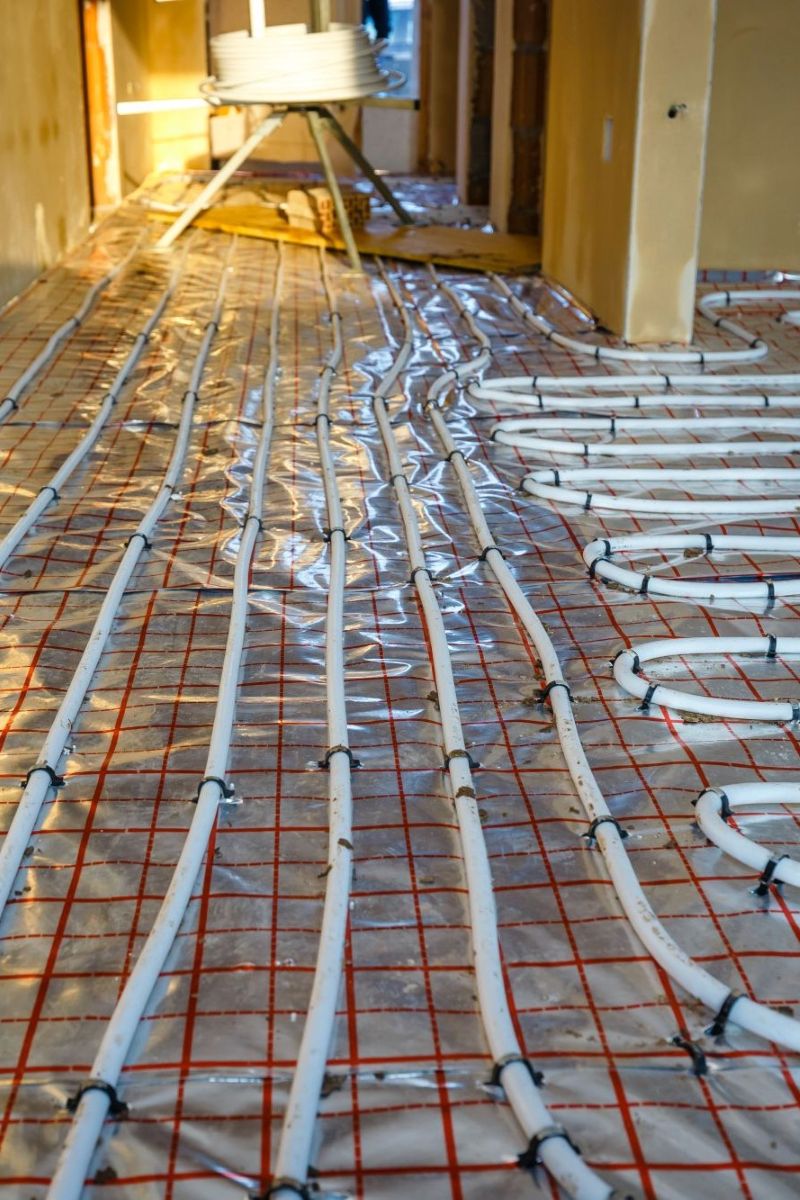
Radiant in-floor heating uses tubing installed beneath the flooring or within a concrete slab. As warm water circulates, the floor transfers heat into the surrounding space.
Other systems use wall-mounted radiators, hydronic baseboards or fan-coil units.
Although people often use the terms interchangeably, hydronic heating and radiant floor heating aren't exactly the same thing. Radiant flooring is one application of hydronic technology.
Benefits of Hydronic Heating for Alberta Homes
Hydronic heating can be particularly appealing in Sherwood Park and Edmonton, where heating systems operate extensively throughout the winter.
Consistent Comfort Without Forced-Air Drafts
One of the biggest advantages is how hydronic heating delivers warmth.
Radiant floors provide heat across a large surface instead of concentrating it around supply vents. A properly designed system can help maintain more consistent room temperatures, particularly in areas with tile or concrete floors.
Hydronic systems also avoid the fan noise and drafts associated with conventional forced-air heating, although pumps and other mechanical equipment may still produce some sound.
Energy Efficiency and Individual Temperature Control
Modern hydronic heating systems can be efficient, especially when paired with properly sized equipment, suitable insulation and effective temperature controls.
Zoning can also help homeowners avoid overheating areas that aren't being used.
However, hydronic heating isn't automatically cheaper to operate than a furnace. Energy costs depend on the boiler, fuel source, insulation, system design and how the household uses its heating.
Natural Resources Canada explains how efficient residential boilers can support radiant floors and radiators while reducing energy consumption compared with less efficient equipment.
Where Does Hydronic Heating Make Sense?
Hydronic systems are flexible enough for a variety of residential and commercial applications, but the best time to consider installation is often before construction or major renovations begin.
New Homes, Basements and Renovations
Hydronic in-floor heating is particularly well suited to new construction, basement developments, concrete slabs and certain garage or workshop applications.
Installing tubing before pouring concrete or finishing floors can make the process more straightforward.
For Edmonton homeowners planning a basement renovation, radiant heating can be especially attractive because concrete floors often feel cold during winter.
Proper insulation beneath and around the heated floor is essential to prevent unnecessary heat loss.
Retrofitting Hydronic Heating in Existing Homes
It's possible to add hydronic heating to many existing properties, although the installation requirements vary considerably.
Homes with existing boilers and radiators may be easier to upgrade than homes that have never had a water-based heating system.
Adding radiant floor heating to a finished home could require removing flooring, modifying subfloors or installing specialized low-profile systems.
Before recommending a retrofit, we consider the existing mechanical equipment, available space, construction requirements and overall cost.
Contact The Hinse Brothers Today!
Hydronic Heating Installation, Repair and Maintenance
A reliable hydronic heating system requires more than connecting a boiler to a network of pipes. Proper design determines whether the system can maintain comfortable temperatures without wasting energy.
Designing a Heating System for Edmonton Winters
Alberta's extreme winter temperatures place significant demands on residential and commercial heating equipment.
Before installing a hydronic system, it's important to evaluate the property's heating load, insulation, piping arrangement, water temperatures and control requirements.
For some homes, a conventional boiler is the appropriate heat source. Others may benefit from newer technology, including compatible air-to-water heat pumps.
Natural Resources Canada's heat pump guide explains how operating temperatures affect the suitability of heat pumps for hydronic heating.
Our team can assess your property and explain which options make sense for your heating requirements and budget.
When Your Hydronic Heating System Needs Service
Like any mechanical system, hydronic heating requires maintenance to remain reliable.
Uneven room temperatures, unusual boiler noises, pressure fluctuations, visible leaks or a heating zone that no longer warms up can indicate a problem.
Issues may involve circulation pumps, valves, thermostats, trapped air or the boiler itself.
Hinse Brothers Mechanical provides hydronic heating troubleshooting and repair alongside our residential and commercial boiler services.
Regular inspections can help identify developing problems before they result in an unexpected loss of heat during an Edmonton cold snap.
Frequently Asked Questions About Hydronic Heating
How much does hydronic heating cost in Edmonton?
Installation costs depend on the property's size, heating equipment, number of zones and whether the project involves new construction or an existing home.
Retrofitting finished floors can increase costs. A site assessment provides the most accurate estimate.
Can hydronic heating heat an entire house?
Yes. A properly designed hydronic system can serve as the primary heating source for an entire home.
It can also provide supplemental heating in selected rooms, basements or additions.
Is hydronic heating cheaper to operate than a furnace?
Not necessarily. Operating costs depend on equipment efficiency, energy prices, insulation and system design.
Hydronic heating can be economical, but projected savings should be evaluated against your existing heating system.
Can hydronic heating be installed in an existing house?
Yes, although the process depends on the home's construction and existing mechanical systems.
Installing radiant floors may involve considerable renovation, while upgrading existing boiler-based heating can sometimes be less disruptive.
Can hydronic heating also cool a home?
Specialized hydronic systems can provide cooling, but standard radiant heating systems aren't designed to do this automatically.
Cooling through floors requires careful condensation and humidity control. Many homes use separate air conditioning equipment instead.
How often should a hydronic heating system be serviced?
Maintenance intervals depend on the boiler manufacturer and system components. Annual professional inspections are a sensible approach for many installations.
Routine servicing may include checking system pressure, pumps, valves, controls, leaks and overall heating performance.
Does hydronic floor heating take a long time to warm up?
It can. Systems embedded in thick concrete slabs generally respond more slowly to thermostat changes than forced-air heating.
Once the floor reaches its operating temperature, its thermal mass helps maintain steady warmth. Consistent temperature settings are often preferable to frequent large adjustments.
Hydronic Heating Services in Sherwood Park and Surrounding Communities
For more than 35 years, Hinse Brothers Mechanical has helped homeowners and businesses throughout the Edmonton region maintain the heating, cooling and plumbing systems their properties depend on.
We provide hydronic heating and boiler services in Sherwood Park, Edmonton, Fort Saskatchewan, Ardrossan, Beaumont and surrounding areas of Strathcona County.
Whether you're considering radiant in-floor heating for a renovation, upgrading an existing boiler or dealing with a hydronic system that isn't working properly, our team can help you understand the available options.
Contact Hinse Brothers Mechanical to discuss hydronic heating installation, repair or maintenance.